Regular Dental Visits
How often to visit the dentist
Most dentists recommend a check-up every six months. But if you have specific concerns, you might need to go more often.
What to expect during a dental check-up
During a check-up, your dentist will:
- Examine your teeth and gums
- Check for signs of decay or other problems
- Clean your teeth professionally
Professional cleanings and their benefits
Professional cleanings remove tartar buildup that you can’t get rid of at home. Plus, they leave your teeth feeling super smooth!
Fluoride Treatment
What is fluoride?
Fluoride is a natural mineral that helps strengthen tooth enamel. It’s like a superhero for your teeth!
Benefits of fluoride for teeth
Fluoride helps:
- Prevent tooth decay
- Reverse early stages of decay
- Strengthen developing teeth in children
Sources of fluoride
You can get fluoride from:
- Fluoridated water
- Toothpaste and mouthwash
- Professional treatments at the dentist
Sealants and Other Preventatives
What are sealants?
Sealants are thin, protective coatings applied to the chewing surfaces of back teeth. They’re like little force fields for your molars!
How do sealants prevent decay?
Sealants fill in the grooves of your teeth, making it harder for bacteria and food particles to get stuck there.
Other preventive treatments
Your dentist might recommend other treatments like:
- Fluoride varnish
- Antimicrobial treatments
- Remineralizing agents
Natural Remedies
Herbal remedies for healthier teeth
Some natural remedies that might help:
- Green tea (rich in antioxidants)
- Aloe vera (has antibacterial properties)
- Oil pulling with coconut oil
Remember: While natural remedies can be helpful, they shouldn’t replace regular dental care!
Importance of saliva in preventing decay
Saliva is your mouth’s natural defense against decay. It helps wash away food particles and neutralize acids.
Home treatments to strengthen enamel
You can try:
- Oil pulling
- Using a remineralizing toothpaste
- Eating foods high in calcium and phosphorus
Managing Existing Decay
Early signs of tooth decay
Watch out for:
- Tooth sensitivity
- Visible holes in your teeth
- Pain when biting down
Treatment options for tooth decay
Depending on the severity, treatment might include:
- Fillings
- Crowns
- Root canals
- Extractions (in severe cases)
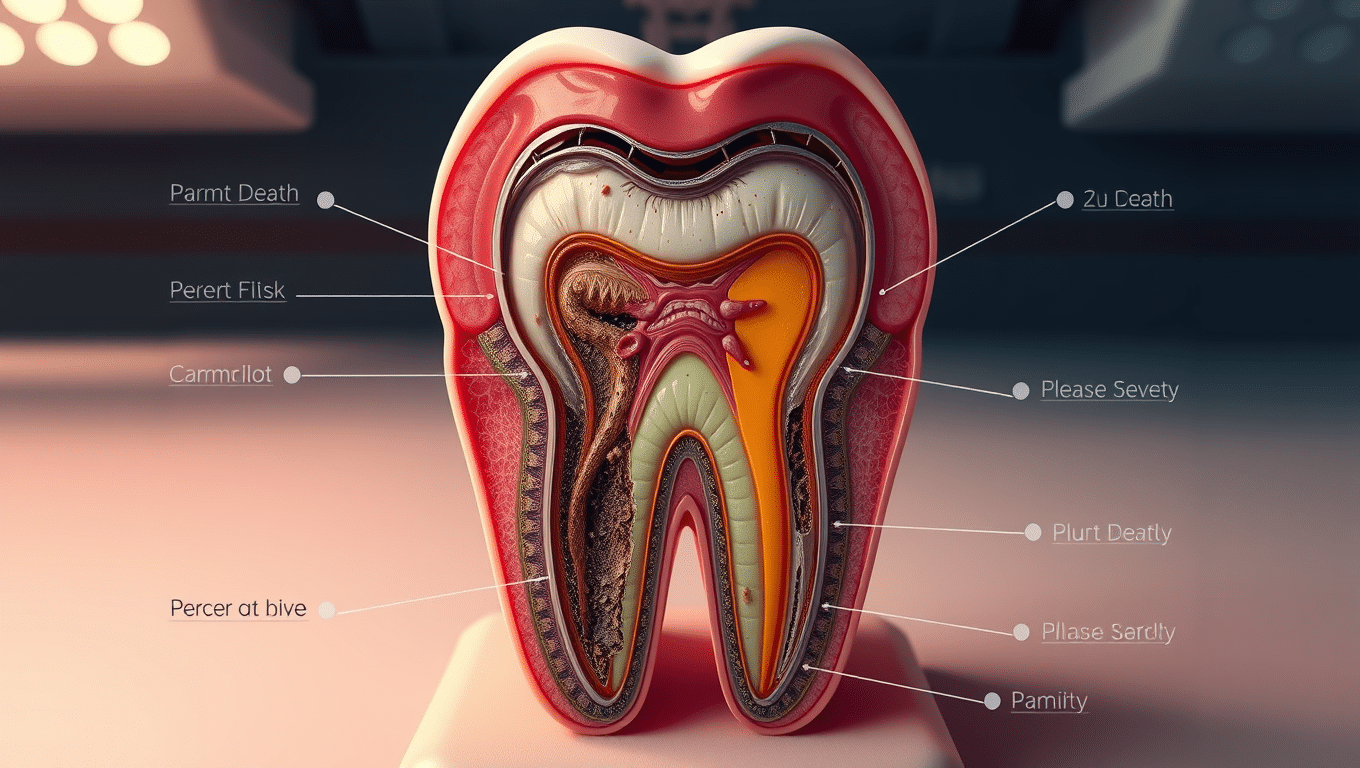
What happens if caries is not treated immediately
If left untreated, decay can lead to:
- Severe pain
- Infection
- Tooth loss
When to see a dentist
Don’t wait for pain! If you notice any changes in your teeth or gums, it’s time to book an appointment.
Conclusion
Taking care of your teeth isn’t just about avoiding cavities. It’s about maintaining overall health and confidence in your smile. Remember, prevention is always better (and cheaper!) than cure. So brush, floss, eat well, and see your dentist regularly. Your future self will thank you for it!
Your smile is one of the first things people notice about you. Keep it healthy and bright!
Know more about Dental Caries here.
For consultation book an appointment.
Or just drop in at: